
Wood protection
Applying the First Stain to Aged Wood Siding
What to inspect before applying an oil-based stain to older wood that has spent years without a protective coating.
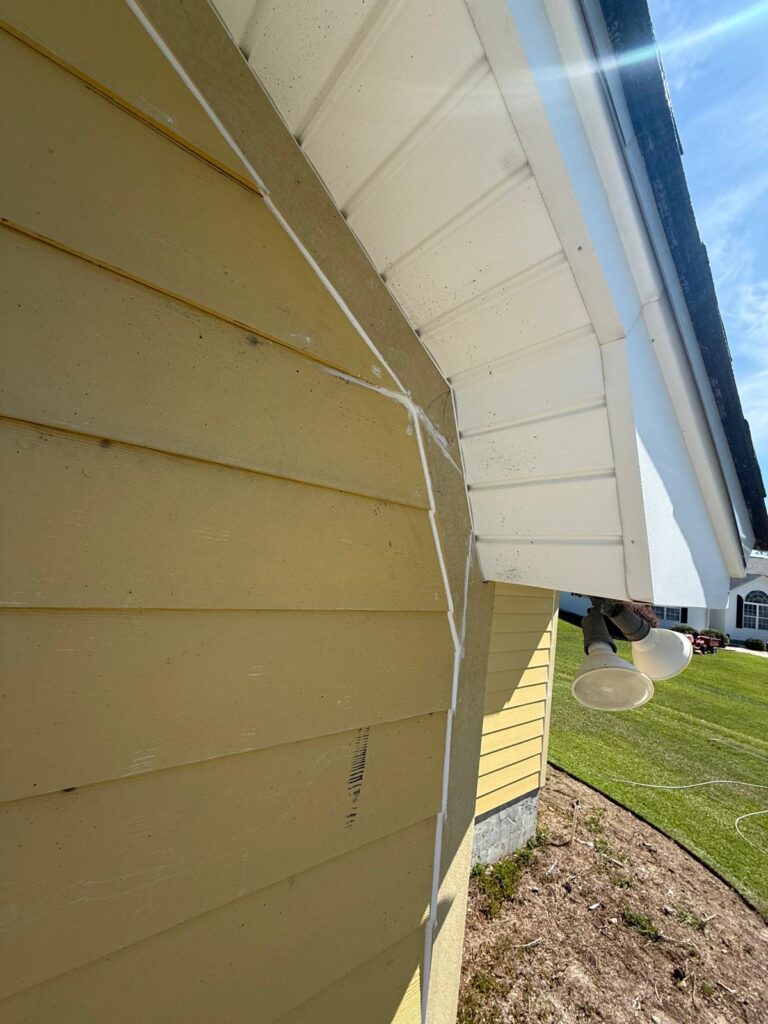
Older wood that has never been stained can absorb finish unevenly. The objective is not only to change the color, but to clean, condition and protect the siding so the new coating performs consistently.
Inspect the wood, not just the color
Check for softness, splits, loose fasteners, open joints and moisture damage. Unsound boards should be repaired or replaced before stain is applied. A coating can slow weather exposure, but it cannot rebuild deteriorated wood fibers.
Clean and allow full drying
Dirt, mildew and weathered surface fibers interfere with penetration. Cleaning methods must be appropriate for the wood, followed by enough drying time for the product being used.
Small test areas help reveal color and absorption. Aged boards may darken differently from newer repairs, so testing is more reliable than judging from a color chip alone.
Work stain into the grain
Oil-based stain is applied in controlled sections and worked into joints, end grain and textured areas. Heavy puddles and lap marks are avoided. The number of coats must follow the product label and the selected transparent, semi-transparent or solid system.
- ✓ Wood-condition inspection
- ✓ Cleaning and drying
- ✓ Color and absorption test
- ✓ Brush and roller application
- ✓ End-grain attention
- ✓ Weather-window planning