
Painting technique
Roller and Brush Technique for Grooved Wood Boards
Why flat faces and recessed joints often need two different application tools to receive complete, even coverage.
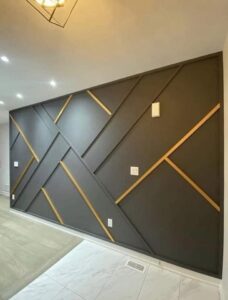
Grooved siding, shiplap, beadboard and other lined wood surfaces can look covered from a distance while the recessed edges remain thin or unpainted. Using the roller and brush together helps place coating where each tool works best.
Prepare the joints before coating
Dust, loose finish and debris collect inside grooves. The surface should be cleaned and any failing material removed before paint is introduced. Open gaps are evaluated and caulked only where movement and the design of the material allow it.
Use the roller for production
A roller spreads an even film across the broad faces of the boards. The nap should match the surface profile: too short may bridge over texture, while too heavy can leave an unnecessarily rough finish.
Work in manageable sections so the paint remains wet while the detailed areas are brushed. This helps the roller and brush marks blend instead of drying as separate bands.
Brush the recessed lines
The brush is used to push coating into the corners and recessed lines where the roller cannot reach. Excess material should be pulled out so the grooves stay defined and do not collect heavy drips.
- ✓ Clean and inspect grooves
- ✓ Roll broad faces evenly
- ✓ Brush recessed joints while wet
- ✓ Check from more than one angle
- ✓ Apply the specified finish coats