
Interior painting
How We Protect an Occupied Home During Interior Painting
Room sequencing, furniture planning, floor protection, dust control and daily cleanup for lived-in spaces.
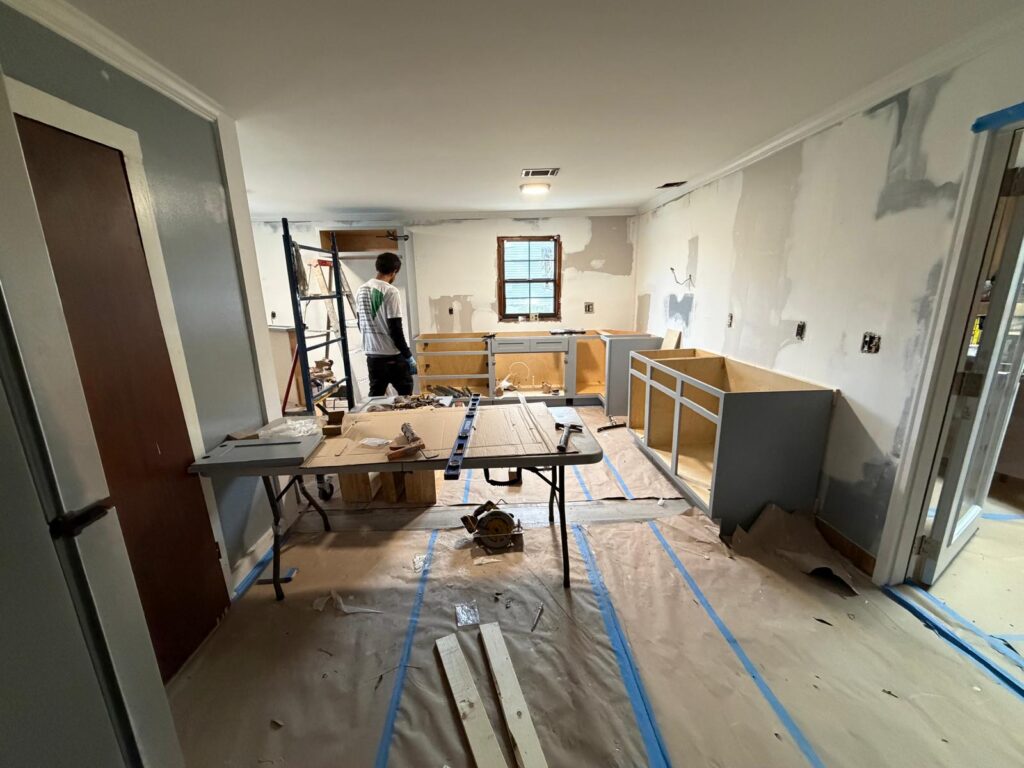
Painting an occupied home is as much about protecting daily life as it is about the finish. A clear room sequence reduces disruption and allows the crew to control furniture, dust, tools and wet surfaces.
Agree on movement and access
Before work starts, the client and crew identify what can be moved, what must remain, which rooms are needed each day and where tools may be staged. Heavy or fragile items require a specific plan rather than last-minute handling.
Match protection to the surface
Hard floors, carpet, stairs, cabinets and furniture are protected with materials appropriate to each surface. Tape should not be placed where it can pull an existing finish, and walk paths should remain stable and free of trip hazards.
Sanding and drywall repair are isolated as much as practical. Ventilation and product instructions are considered when occupants remain in the home.
Reset the room at the end of the day
Tools, waste and wet materials are secured, access paths are cleared, and the client is told what can and cannot be touched. Daily communication prevents accidental damage and keeps the next workday organized.
- ✓ Room sequence
- ✓ Furniture plan
- ✓ Surface-specific floor protection
- ✓ Dust control
- ✓ Ventilation
- ✓ Daily cleanup and status update